
Mario Wheelie
 unblockedgames.com.es
Sign in to keep recently played games, favorites and your player profile available on this site.
Popular Games
Last Played
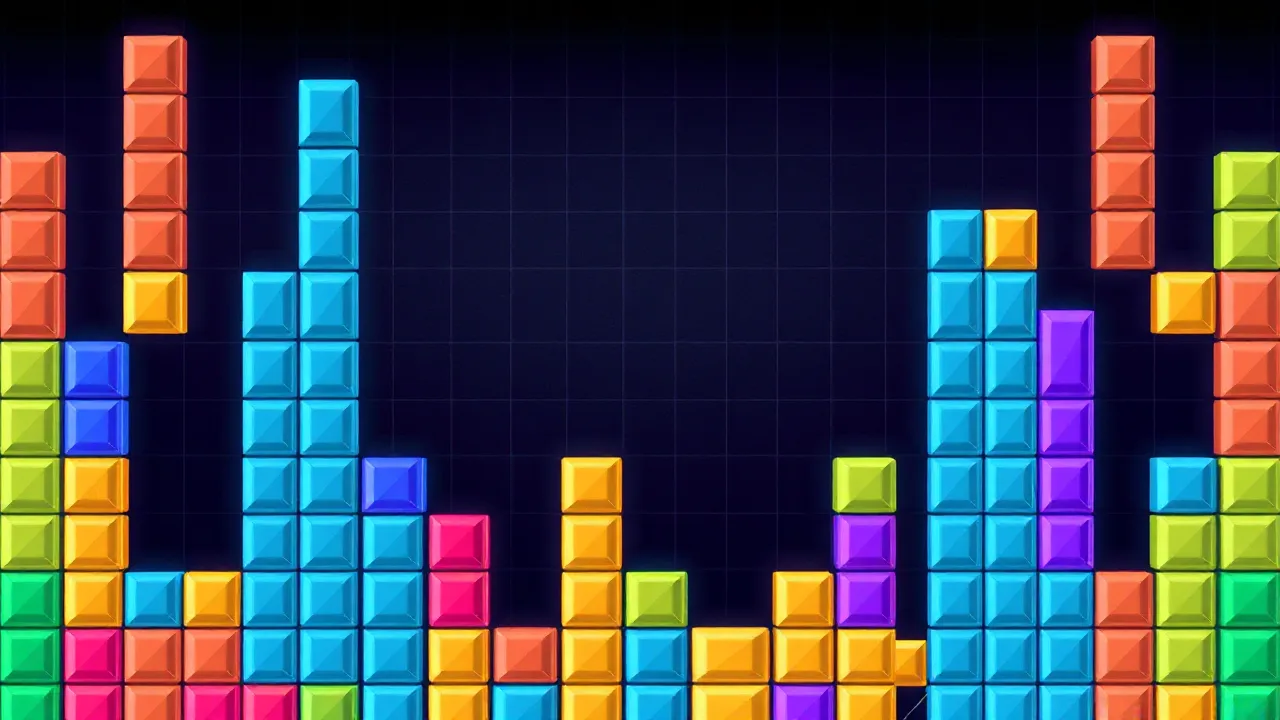
Welcome to your go-to resource for exploring a classic block-stacking challenge that continues to captivate players of all ages. This page focuses entirely on the tetris puzzle game, offering practical insights and a clean, easy-to-read layout designed to help you enjoy the experience and jump straight into play.
This keyword page works best when it helps players move from general interest to a more focused selection inside the Puzzles category. For readers who want more games related to tetris puzzle game, tetris puzzle game gives a direct path to similar options without breaking the flow of the page.
| Feature | Details |
|---|---|
| Gameplay style | Grid-based block placement with line-clearing objectives |
| Controls | Keyboard inputs for movement, rotation, and drop |
| Session pace | Fast and adaptive, increasing in speed over time |
| Device fit | Responsive play suitable for desktop and mobile |
| Category match | Puzzles |
The main goal is simple yet deeply engaging: arrange falling shapes so they form complete horizontal lines without leaving gaps. Each cleared line disappears from the grid, making room for more pieces and keeping the play area manageable. As the pace gradually increases, you will need sharper reflexes and smarter placement to stay in control. This loop creates a satisfying rhythm where planning and quick thinking go hand in hand.
Most versions use straightforward keyboard controls that make learning easy. You can typically move shapes left or right, rotate them in either direction, and drop them quickly when you are ready. Some setups also include a soft drop for faster descent or a hold function to save a piece for later. If you prefer touch input, many modern adaptations support taps and swipes, making the game accessible on phones and tablets without sacrificing precision.
The appeal comes from a clean balance of challenge and clarity. You always know what you need to do, yet the ever-rising speed keeps you on your toes. Clearing multiple lines at once feels fantastic, and stacking pieces to set up a big clear adds a strategic layer that never gets old. Over time, you develop an intuition for spacing and timing that makes each session feel smoother and more satisfying.
Start by building a flat surface and avoiding deep valleys that are hard to fill. Keep your stack low until you are ready to attempt a multi-line clear, and try to leave room for the long bar piece that can clear four lines at once. If your version includes a hold option, use it to store useful pieces and set up future plays. As the speed ramps up, focus on clean rotations and decisive drops rather than overthinking each move.
New players often panic when the pace increases, leading to rushed placements and messy stacks. Instead of reacting to every piece, take a breath and aim for consistent patterns. Avoid building too high too fast, and do not rely on a single column to save you. If the board looks crowded, prioritize clearing any available lines to create space before attempting complex setups. Patience and steady placement will pay off in the long run.
Set small goals for each session, such as clearing a certain number of lines or maintaining a smooth stack for a set time. Focus on one skill at a time, whether it is rotation accuracy, speed drops, or building safer stacks. Over time, these habits compound into better performance and more consistent high scores. Remember that steady practice beats short bursts of intense effort, and each session adds to your overall confidence.
Ready to jump in? Use the tetris puzzle game link to begin playing right away. The controls are simple to learn, and the game adapts to your pace as you improve. Whether you have a few minutes or a longer session, you can enjoy a smooth and engaging experience that keeps you coming back for more.
How do I start playing? Click the play link above and use the on-screen or keyboard controls to begin. The rules are explained quickly, and you can start within seconds.
What if the game feels too fast? Focus on clean placements and avoid stacking too high. With practice, your speed and accuracy will naturally improve.
Is there a way to plan ahead? Many versions show a preview of the next piece, which helps you make smarter placement decisions and set up future clears.
Can I play on mobile devices? Yes, most modern adaptations support touch controls and responsive layouts, making the game enjoyable on phones and tablets.
What is the best way to improve? Practice consistently, focus on one skill at a time, and aim for smooth, low stacks that give you flexibility for future pieces.


